Sky High Living and Why You Might Never Want to Come Down


.svg)

What Is High Rise Living — and Is It Right for You?
High-rise living is one of the fastest-growing lifestyle choices for urban professionals who want stunning views, premium amenities, and a walkable city life all in one place.
Here's a quick look at what it means and what to expect:
- What it is: Living in a residential building typically 7+ stories tall (75+ feet), often with elevators, shared amenities, and city-center locations
- Top benefits: Panoramic skyline views, rooftop pools, concierge services, gym access, and proximity to dining and transit
- Key trade-offs: Elevator wait times, HOA fees, limited outdoor space, and some noise considerations
- Best fit for: Urban professionals who prioritize location, lifestyle amenities, and low-maintenance living
Cities like Hong Kong and Seoul have long embraced vertical living — in Seoul, around 80% of residents live in apartment complexes. But high-rise living isn't just a necessity in dense cities anymore. Increasingly, it's a choice — and a lifestyle upgrade.
Whether you're drawn to waking up above the skyline or stepping out of your lobby into the middle of a vibrant neighborhood, high-rise living offers a way of life that's hard to replicate anywhere else.
This guide breaks down everything you need to know — the history, the real benefits, the honest challenges, and what to look for before you sign a lease.

The Evolution and Definition of Vertical Cities
When we talk about high rise living, the first thing we have to settle on is: how high is "high"? Depending on where you are in the world, the definition changes. In the United States, the National Fire Protection Association (NFPA) generally classifies a high-rise as any building taller than 75 feet, or roughly seven stories. This height is significant because it is beyond the reach of most fire department ladders, requiring the building to have specialized internal safety systems.
Organizations like Emporis take it a step further, defining a high-rise as a multi-story structure between 35 and 100 meters tall, or a building with 12 to 39 floors. Anything taller than 40 floors often enters the "skyscraper" category. For example, Central Park Tower in Manhattan currently stands as the tallest residential high-rise in the world, reaching a staggering 1,550 feet.
While modern marvels of steel and glass dominate our skylines in April 2026, the concept of vertical living isn't new. In fact, it dates back to antiquity. Ancient Roman emperors had to deal with "insulae" — apartment blocks that could reach up to 10 stories. These were so prone to collapsing or catching fire that laws were eventually passed to limit their height to about 20–25 meters.
In other parts of the world, verticality was a matter of protection. In Shibam, Yemen, residents built mud-brick tower houses up to 30 meters tall to protect themselves from Bedouin attacks. Today, Shibam is often called the "Manhattan of the Desert."
In modern times, the shift toward the sky has been driven by density and necessity.
- In Hong Kong, over 60% of residents live in apartments, with 28% residing in public housing towers.
- In Seoul, approximately 80% of residents live in apartment complexes, which account for nearly all recent residential construction.
- In the European Union, particularly in former Warsaw Pact states like Latvia and Estonia, over 60% of the population lives in flats.
As we look at High-Rise Living: Pros, Cons, and What to Consider, it is clear that building up is the primary solution to land scarcity in vibrant urban centers. By stacking our homes, we create room for more people to enjoy the heart of the city without the need for endless horizontal sprawl.
The Unmatched Benefits of High Rise Living
Why do so many of us choose to live dozens of stories above the pavement? For most, it starts with the view. There is something undeniably peaceful about watching the sunrise over the San Diego skyline or seeing the city lights flicker on from a floor-to-ceiling window.
Panoramic Views and Natural Light
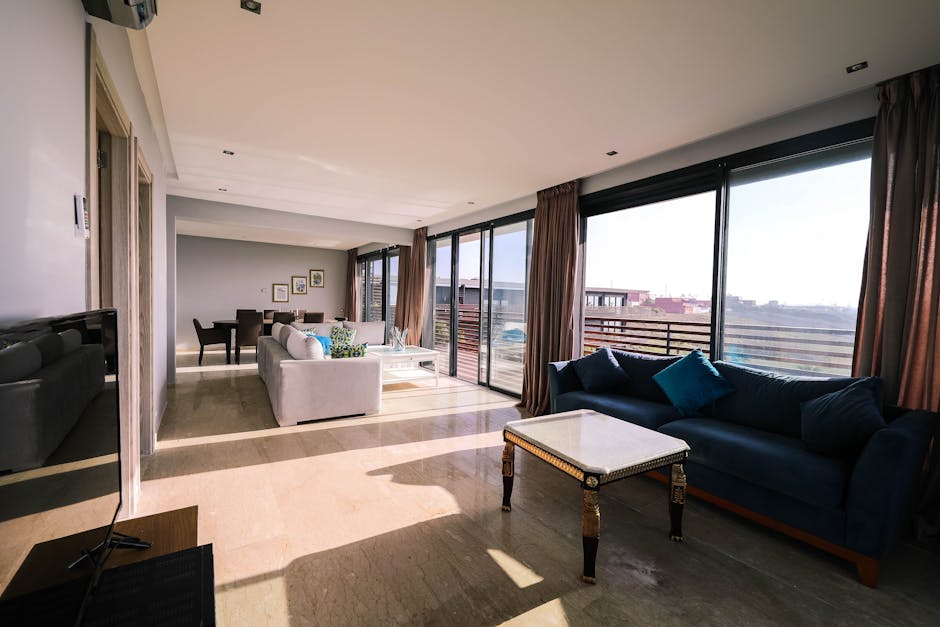
Living on a higher floor means you are often above the "canyon effect" of street-level buildings. This provides unobstructed panoramic views and an abundance of natural light. Brighter living spaces aren't just aesthetically pleasing; they can actually improve your mood and productivity. In a high-rise, your balcony or window becomes a front-row seat to the theater of the city.
Luxury Amenities at Your Fingertips
One of the hallmarks of modern high-rise buildings is the "vertical resort" feel. We believe that where you live should cater to how you live. Modern developments often feature:
- Rooftop Pools: Imagine a pool with a TV wall where you can catch the game while taking a dip.
- Entertainment Hubs: From a private movie theater to a high-tech golf simulator, high-rises bring the "night out" right to your doorstep.
- Fitness Centers: Gone are the days of driving to a crowded gym. Most luxury high-rises offer state-of-the-art equipment just an elevator ride away.

Urban Convenience and Connectivity
High-rises are almost always situated in "prime" locations. In a neighborhood like North Park, San Diego, living in a high-rise means you are minutes away from 5-star restaurants, local coffee shops, and vibrant cultural centers. This "walkable" lifestyle allows many residents to reduce their reliance on cars, contributing to a more active and engaged daily routine.
If you are currently looking for your next home, we recommend checking out these Apartment Hunting Tips to help you navigate the unique world of high-end rentals.
Security and Maintenance
There is a certain peace of mind that comes with high-rise living. Most buildings employ 24-hour concierge services, advanced surveillance, and secure fob-access elevators. Additionally, the burden of maintenance is shifted away from the resident. You won't have to worry about roof repairs or landscaping; onsite management handles the heavy lifting, allowing you to enjoy a low-maintenance lifestyle.
Navigating the Challenges of Vertical Communities
While the perks are plentiful, we want to be realistic about the unique quirks of living in the sky. Understanding these challenges can help you decide if this lifestyle fits your daily rhythm.
The Elevator Factor
Elevators are the lifeblood of a high-rise. While most modern buildings use separate elevator banks to serve different floor ranges (which speeds up travel), you may still face wait times during "rush hour." Whether it’s the morning commute or the evening grocery run, factoring in an extra few minutes for the lift is a standard part of the high-rise experience.
Building Sway and Wind
It might sound surprising, but tall buildings are designed to move. To withstand high winds and seismic activity, high-rises are engineered with a degree of flexibility. For example, the Willis Tower in Chicago can sway about 3 inches side-to-side even on a calm day. While you likely won't feel it, you might occasionally hear the building "settle" or notice the water in a glass slightly rippling during a particularly windy night.
Sustainability and Energy
It is an industry fact that high-rise buildings often use almost twice as much energy per square meter as mid-rise structures. This is due to the energy required to pump water upward, run multiple elevator banks, and heat or cool glass-heavy facades that are more exposed to the elements. However, many new developments in 2026 are countering this with "green" initiatives, such as EV charging stations and high-efficiency HVAC systems.
Safety Systems
Safety is a top priority in vertical engineering. High-rises are built with reinforced concrete or steel cores and feature advanced fire suppression systems. One unique feature to look for is the pressurized stairwell. These systems use fans to keep smoke out of the exit stairs during an emergency, providing a clear path for evacuation. Regular fire drills and clearly marked emergency exits are standard requirements that ensure all residents stay informed and prepared.
As noted in the Pros & Cons of Living in a High Rise Apartment | Redfin, the trade-off for higher costs and elevator reliance is often a level of security and luxury that single-family homes simply cannot match.
Frequently Asked Questions about High Rise Living
Is high rise living safe during emergencies?
Yes, modern high-rises are among the safest structures ever engineered. Beyond the pressurized stairwells mentioned earlier, these buildings are equipped with comprehensive sprinkler systems, fire-rated doors, and backup power generators to keep elevators and emergency lighting running. In the event of a power outage, management teams have protocols in place to assist residents. We always recommend asking about the building’s specific emergency plan during your tour.
What are the best floors for high rise living?
The "best" floor is entirely subjective!
- Upper Floors: These are ideal for those who want the best views, the most natural light, and the quietest environment (as you are further from street noise). However, they usually come with higher utility costs and longer elevator rides.
- Middle Floors: Many residents find the "sweet spot" here. You get a balanced view and easier access to the ground floor while still feeling "up there."
- Lower Floors: Perfect for those who want quick access to the lobby, the street, or the building's amenities. If the elevators are busy, taking the stairs is a viable option from the third or fourth floor.
How does vertical living accommodate pets?
We know that your furry friends are part of the family. Most high-rises have adapted to the needs of pet owners, though most maintain a two-pet limit per household to ensure a comfortable environment for everyone. Many luxury buildings now include on-site dog runs or "pet relief" stations on terrace levels, so you don't always have to go all the way to the ground floor for a quick break.

Conclusion
High rise living is more than just a housing choice; it is a way to engage with the city from a new perspective. From the historical roots of Roman towers to the 2026 innovations in luxury amenities, living vertically offers a blend of convenience, security, and inspiration.
If you are ready to elevate your lifestyle, we invite you to discover The Owen. Located in the heart of North Park, San Diego, at 3760 Bancroft Street, our community is designed for those who appreciate the finer things. Whether you're perfecting your swing in our golf simulator, catching a flick in the private movie theater, or relaxing by our pool with its massive TV wall, life at The Owen is designed to be lived at the top.
With floor-to-ceiling windows that frame the best of San Diego, you might find that once you move in, you’ll never want to come down.

Related Posts
CONTACT US
Everything starts with hello. Fill out the form below to stay in the loop with updates on The Owen.
